Are you ready for the future?
A stem cell is a type of unspecialized cell that has the remarkable ability to develop into many different types of cells in the body. Stem cells can both self-renew (produce more stem cells through cell division) and differentiate (transform into specialized cells like muscle, nerve, or blood cells). This dual capacity gives them a critical role in growth, development, and tissue repair.


สำหรับทารกแรกเกิด:
เก็บสเต็มเซลล์จากเลือดสายสะดือและเนื้อเยื่อ ครั้งเดียวในชีวิตตอนคลอด เพื่อรักษาโรคเลือด 85 ชนิด
เลือดสายสะดือ / HSCs
แหล่งรวมเซลล์ต้นกำเนิดเม็ดเลือด
เนื้อเยื่อสายสะดือ และเยื่อหุ้มรก
แหล่งรวมเซลล์ต้นกำเนิดชนิดมีเซนไคม์
เนื้อเยื่อรก
แหล่งรวมโกรทแฟคเตอร์เข้มข้น


สำหรับผู้ใหญ่ (PBSC)
นวัตกรรมเก็บสเต็มเซลล์จากกระแสโลหิต ไม่ต้องเจาะไขกระดูก ปลอดภัย เพื่อรักษาโรคร้ายและเวชศาสตร์การฟื้นฟู
Adult PBSC
เพื่อการรักษา เวชศาสตร์ฟื้นฟู และการเตรียมความพร้อมเพื่อสุขภาพในอนาคต
ดูรายละเอียดUmbilical Cord Blood
Umbilical Cord blood, also known as hematopoietic stem cells (blood-forming stem cells), possesses similar properties to stem cells from bone marrow and peripheral blood but is younger and more easily developed into other cell types. The primary function of these cells is to generate new red blood cells, white blood cells, and platelets to replacing old or dying cells.
The blood in the placenta and umbilical cord of a newborn is a significant source of stem cells that can be collected immediately after birth for use in treating a wide variety of medical conditions. This may be a once-in-a-lifetime opportunity for you as parents to preserve something invaluable as a gift for your newborn.
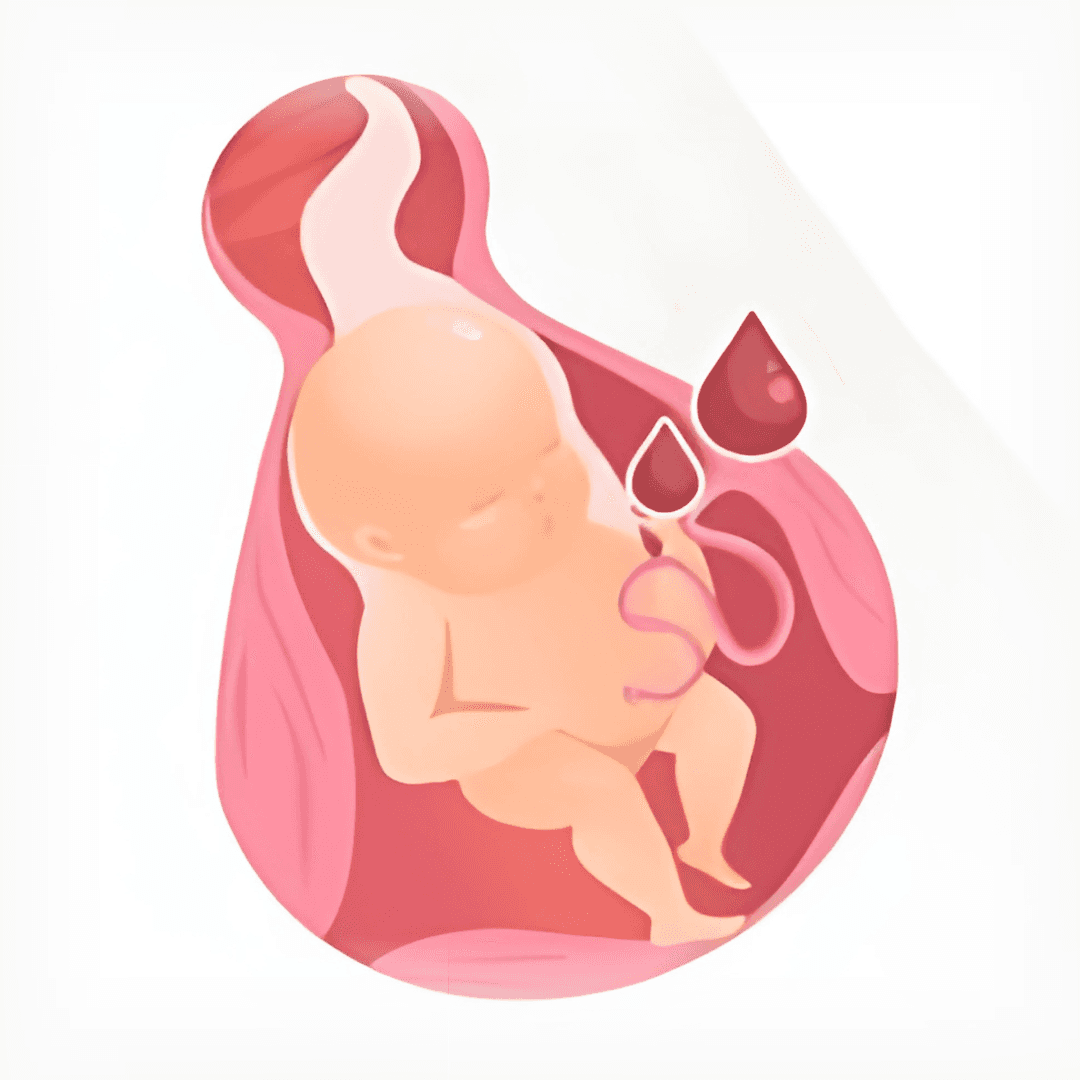
The blood in a newborn's umbilical cord is one of the critical sources of adult stem cells, known as umbilical cord blood stem cells, that can be collected right after birth. Following collection using our internationally standardized closed system, the blood is sent to our laboratory in Bangkok (not to a distant lab prone to flooding or in rural areas) for processing using the latest SEPAX technology.
Processed stem cells are then cryogenically frozen at -196 degrees Celsius, halting all cellular activities in the most optimal environment for stem cell preservation. Choose to store your child's umbilical cord blood stem cells in Bangkok with THAI StemLife to avoid the risks associated with potential loss of cold chain integrity during international transport.
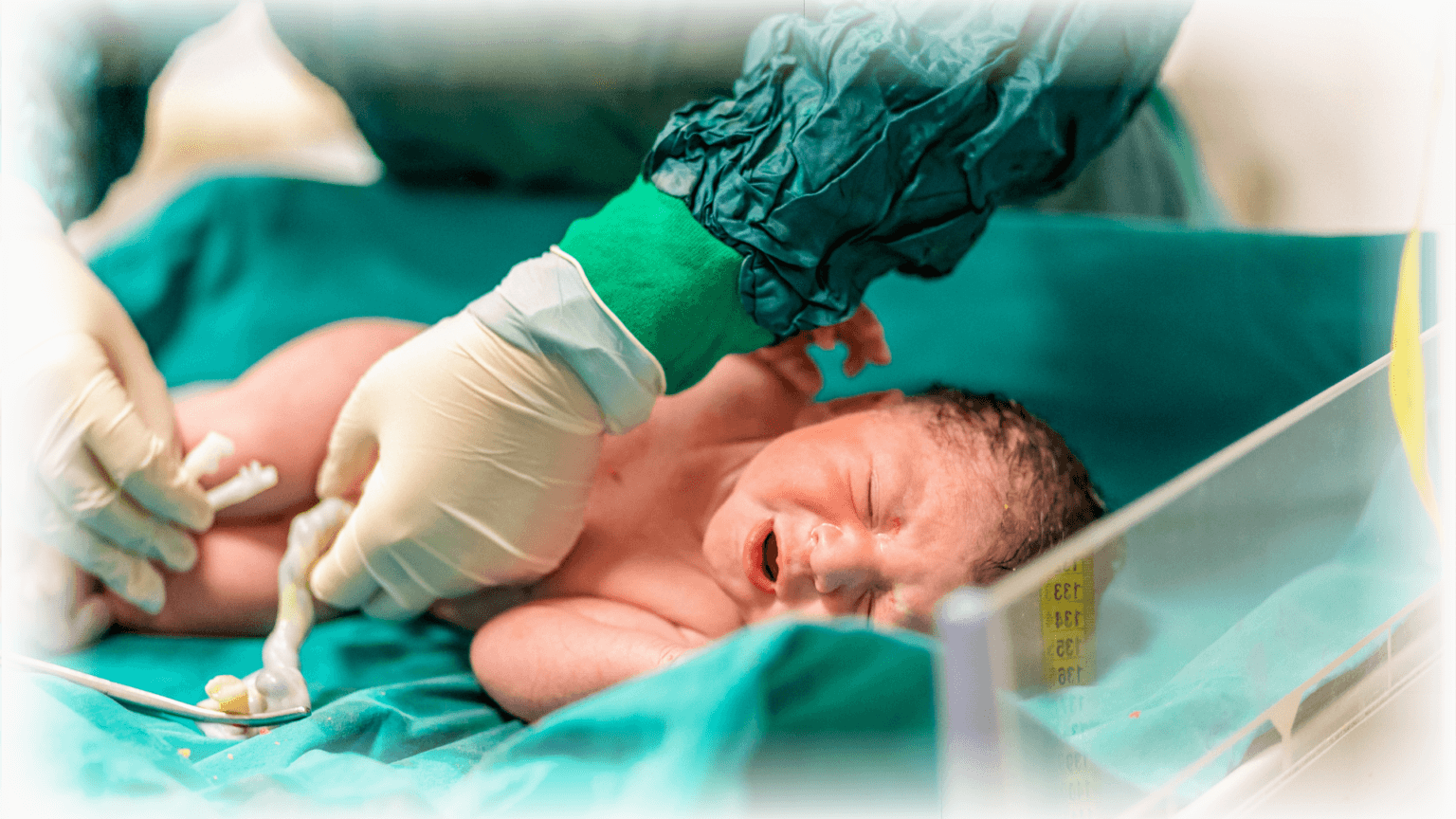
Umbilical cord blood collection is a simple procedure that can be done immediately after your baby is born, without any risk or disruption to the normal birthing process (whether vaginal delivery or cesarean section). Within just 5 minutes, the cord blood can be collected after the obstetrician cuts the umbilical cord, with no pain or discomfort to either the mother or baby!
The chance of tissue matching within the same family is significantly higher than with unrelated individuals (1 in 4 compared to 1 in 50,000), meaning other family members may potentially benefit from stored stem cells if needed in the future (tissue compatibility with HLA testing required). In the future, the indications for stem cell use are expected to increase.
Currently, more than 85 diseases can be treated with stem cells, with rapidly growing applications. These may include potential future treatments for cardiovascular or neurological conditions (e.g., stroke, spinal cord injury).
Research studies for Parkinson's and Alzheimer's diseases are showing promising results. Globally, the number of families opting to store valuable stem cell-rich cord blood is increasing, and this service is available to you as well.

Diseases treatable
by stem cell transplants
include:
Immune system disorders:
- Severe combined immunodeficiency (SCID)
- Wiskott-Aldrich syndrome
- Bone marrow failure syndromes:
- Severe aplastic anemia
- Franconia anemia
- Diamond-Blackfen anemia
Congenital metabolic disorders:
- Mucopolysaccharidoses (MPS) (e.g., Hunter or Hurler syndrome)
- Leukodystrophies
- Glycoprotein storage diseases (e.g., fucosidosis, mannosidosis)
- Lysosomal storage disorders (e.g., Gaucher disease, Pompe disease, Niemann-Pick disease)
- Osteopetrosis (marble bone disease)
- Collagen-related congenital bone diseases
Hemoglobinopathies:
- Thalassemia
- Sickle cell anemia
Cancers or blood disorders originating from bone marrow:
- Acute leukemia
- Chronic myeloid leukemia
- Hodgkin's and non-Hodgkin's lymphomas
- Myelodysplastic syndromes (MDS)
- Bone marrow disorders with abnormal blood cell production, at risk of evolving into leukemia
- Multiple myeloma
- Chronic lymphocytic leukemia
- Solid tumors
- Breast cancer
- Ovarian cancer
- Renal cell carcinoma
- Testicular cancer
- Small cell lung cancer
- Ewing's sarcoma in children
- Pancreatic cancer
- Colorectal cancer
- Medulloblastoma (brain tumor)
Pediatric cancers:
- Wilms tumor (kidney cancer in children)
- Neuroblastoma
- Ewing's sarcoma
- High-grade gliomas (e.g., medulloblastoma)
- Brain tumors
Other conditions:
- Paroxysmal nocturnal hemoglobinuria (PNH)
- Acquired aplastic anemia
- Multiple sclerosis (MS)
- Systemic lupus erythematosus (SLE)
- Autoimmune diseases (e.g., Type 1 diabetes)
Reference : Cord principles in cellular therapy AABB Technical manual 20th edition EMBT 2009
Cord Tissue
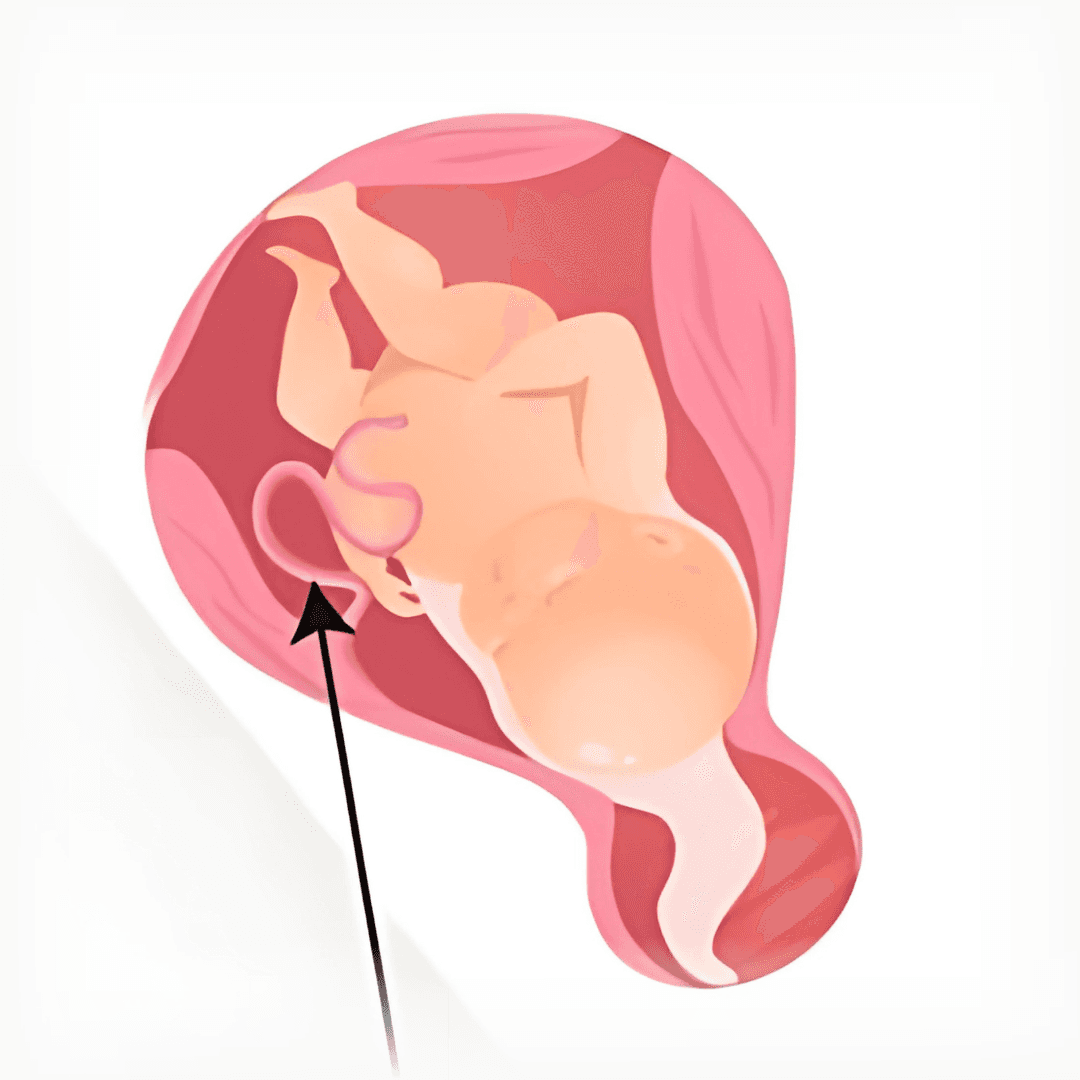
Umbilical cord tissue mesenchymal stem cells (MSCs) are found in the Wharton's jelly of the umbilical cord tissue. MSCs derived from umbilical cord tissue can differentiate into specific cell types, such as bone cells, cartilage cells, and fat cells.
Umbilical cord collection can only be done at birth, offering a unique opportunity to collect these cells during the delivery of a newborn without any risk or pain to the mother or child.
Clinical research has shown that umbilical cord tissue MSCs hold great potential for future regenerative medicine, particularly for degenerative and inflammatory conditions that currently have limited treatment options. These cells represent a significant hope for addressing medical conditions requiring treatment and improving the quality of life for millions of patients.
Characteristics of umbilical cord tissue-MSCs:
- •The ability to proliferate extensively is being highlighted through numerous ongoing clinical studies.
- •These cells secrete cytokines that can reduce inflammation and regulate immune responses.
- •Like other MSCs, these cells can evade the immune system; they do not express HLA antigens, which the immune system uses to detect foreign cells.
The umbilical cord tissue is also significant because it contains cells called MSCs. While MSCs cannot replace cord blood for bone marrow transplants, they can be utilized in regenerative medicine, aesthetics, anti-aging, and in treating joint degeneration conditions such as osteoarthritis and tendon injuries.
Numerous studies have focused on the application of MSCs in treating conditions like atopic dermatitis, autoimmune diseases, diabetes, hair loss, erectile dysfunction, burns, scars, and more.
The advantage of MSCs is that their use is not restricted to the donor alone but can also benefit close family members. MSCs can be cultured immediately after birth in our laboratory or cultured later when needed from the cryopreserved umbilical cord.
Amnion Tissue
MSCs from Amnion membrane
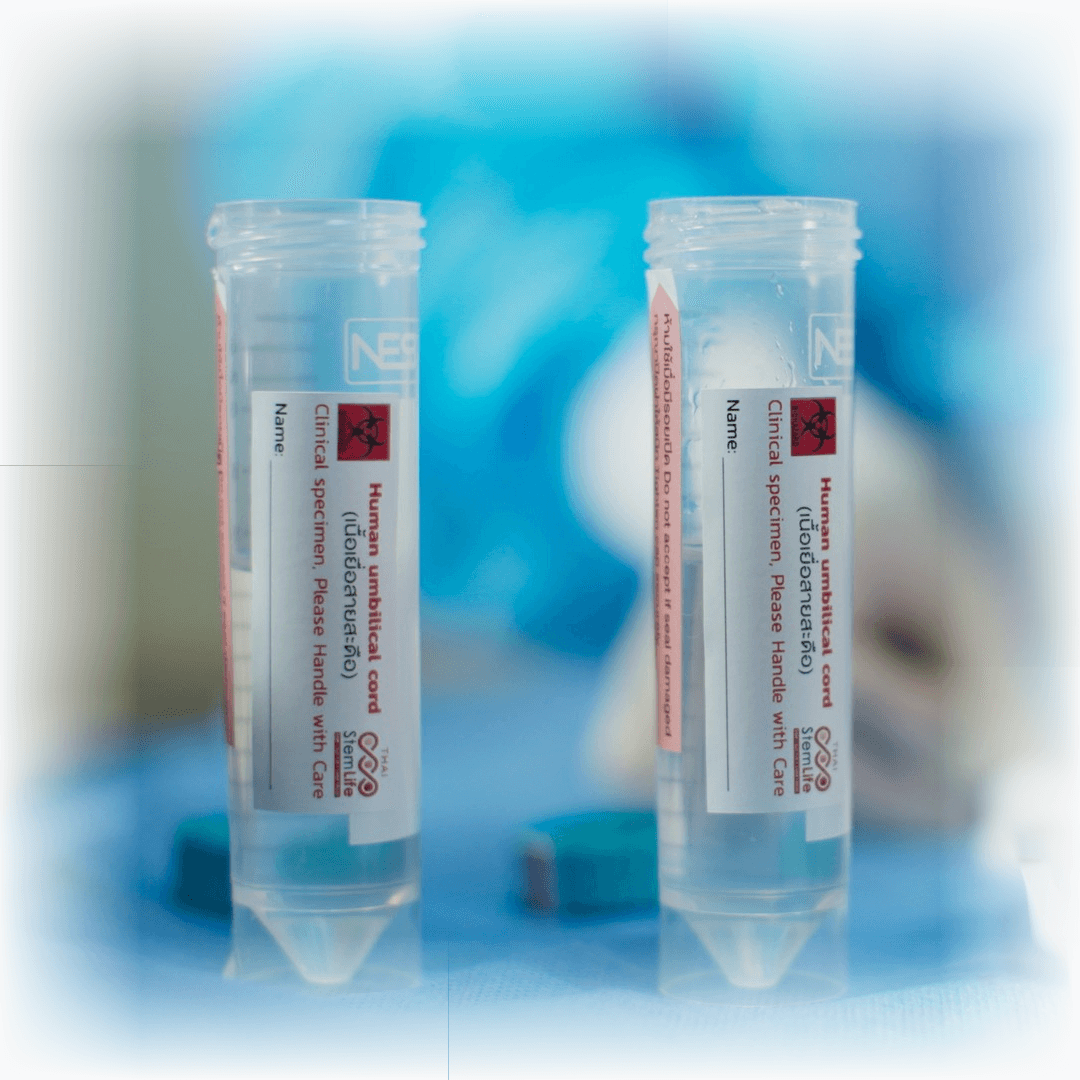
Amnion tissue-mesenchymal cells are seen in amniotic membranes and fluid. Only once chance in life exists to save those cells and that is during the delivery of your newborn baby without any risks to anyone involved. In ongoing clinical trials, amniotic mesenchymal stem cells demonstrate great therapeutic potential that holds great promise in the future of regenerative medicine especially for various degenerative and inflammatory conditions without current treatment options.
Role of amnion tissue-MSCs:
- •Preserve the integrity of the placental membrane and ensure a safe pregnancy.
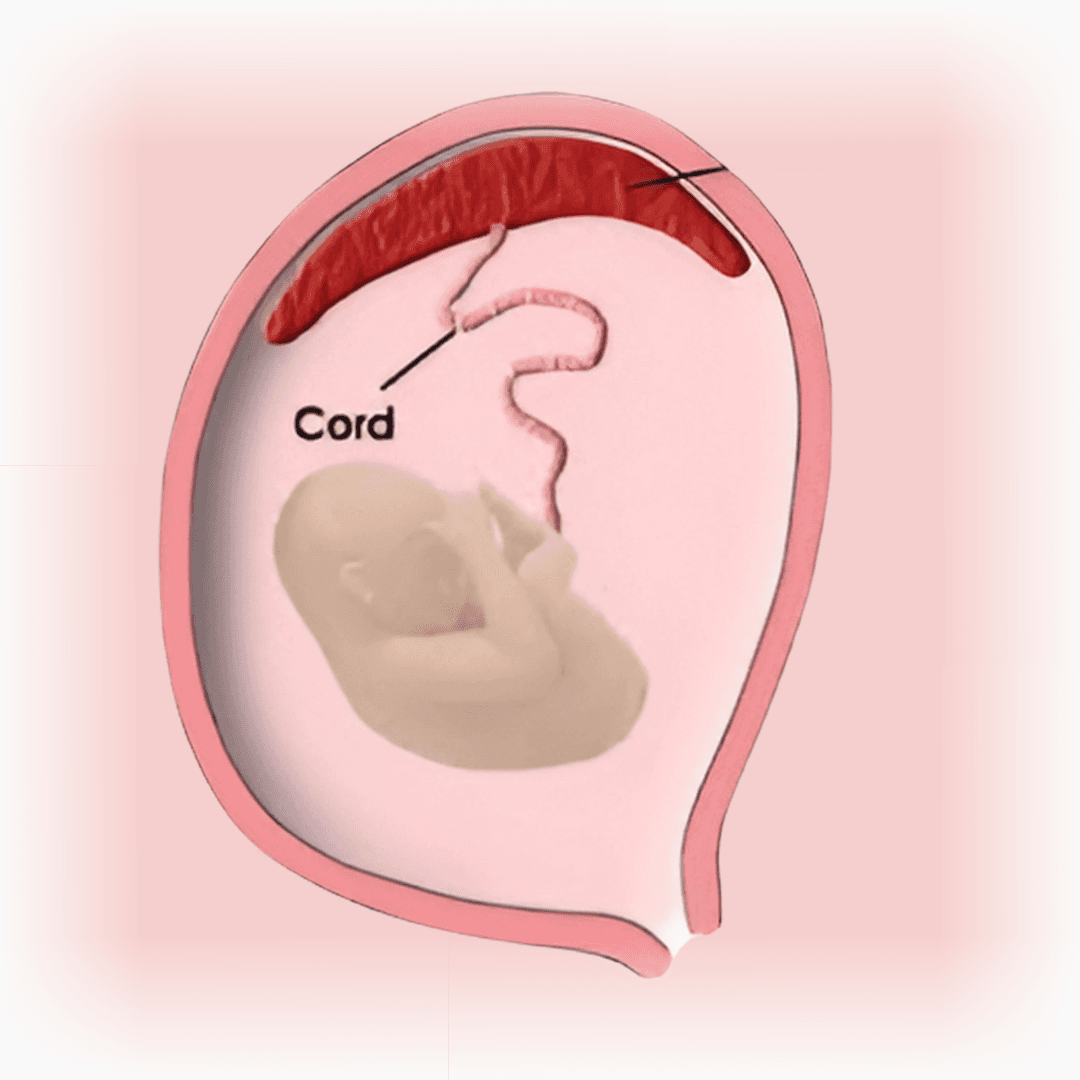
Characteristics of amnion tissue-MSCs:
- •The ability to proliferate extensively is being highlighted through numerous ongoing clinical studies.
- •These cells secrete cytokines that can reduce inflammation and regulate immune responses.
- •Like other MSCs, these cells can evade the immune system; they do not express HLA antigens, which the immune system uses to detect foreign cells.

Ongoing Clinical Research:
With their high proliferation potential, amnion tissue-MSCs offer opportunities to be used in treating conditions across nearly all systems of the body. Numerous clinical studies are currently exploring the potential of these cells:
- Cardiovascular system
- Respiratory system
- Renal and urinary systems
- Nervous system
- Musculoskeletal system
- Gastrointestinal system
- Hematopoietic and immune systems
- Otorhinolaryngology and ophthalmology
Placental membrane MSCs may become a key component in future regenerative medicine, particularly for degenerative conditions and inflammatory diseases that currently lack effective treatments.
Placenta Tissue
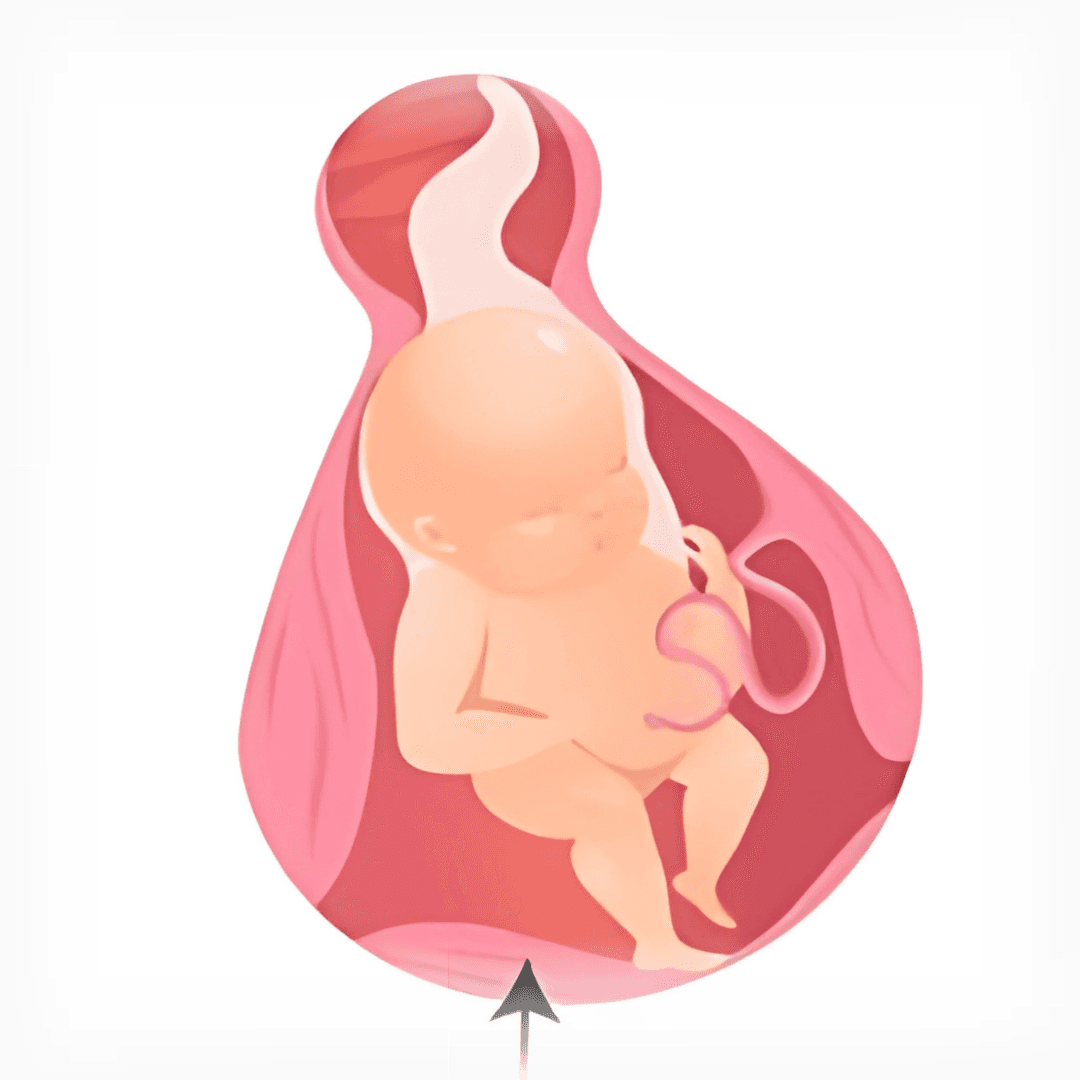
The placenta is the anchor of life. The English term 'placenta' is derived from the Greek word 'plakous/plakounta,' which means 'cake' due to its round shape. The placenta serves as a unique connection between the mother's uterus and the fetus, making pregnancy possible. It functions as the lungs by exchanging oxygen and carbon dioxide, acts as the kidneys by filtering waste, serves as the digestive system by absorbing nutrients, and operates as an endocrine gland by producing various hormones and growth factors that maintain hormonal balance.
Additionally, it acts as an immune system barrier, preventing the rejection of the pregnancy. This uniquely created immunological and hormonal environment, known as the fetoplacental unit, ensures that the fetus grows normally without interruption by continuously transporting oxygen and nutrients while eliminating waste produced by fetal metabolic processes. Although the uterus and placenta (mother and fetus) are not physically connected, they remain in close contact to facilitate continuous exchange. Any failure in placental function poses a threat to the pregnancy.
Peripheral Blood Stem Cells (PBSCs)
PBSCs are hematopoietic stem cells (HSCs) that are circulating in the blood. HSCs circulate at low levels in the blood all the time but can increase in number dramatically when a person is treated with certain cytokines (substances that stimulate the bone marrow) such as G-CSF (a natural factor also produced by your body) or when hematopoietic (bone marrow) recovery occurs following chemotherapy.
PBSC transplants tend to engraft faster than bone marrow transplants presumably because they have greater a proportion of mature progenitors. When patients hear and talk about “stem cell transplants” they are typically referring to peripheral blood stem cell transplants. Stem Cells are normally found in the bone marrow, but it is possible to move them out of the marrow into the bloodstream so that they can be collected easily.
Adult Peripheral Blood Stem Cell Collection Service: Apart from Umbilical Cord Blood Stem Cell Service, THAI StemLife offers an adult service as well, that is Peripheral Blood Stem Cell Collection.
Why? A biological insurance for us that are born without having had the opportunity to keep cord blood for the future! Ongoing clinical trials, PBSCs are being investigated for their use in treating heart diseases, diabetic ulcers, autoimmune diseases and in the future maybe even stroke, Parkinson’s, and Alzheimer’s.
Keeping your PBSCs at a young age ensures that their efficiency and availability is at its best when needed at an older and/or diseased age.
How do you move stem cells from bone marrow to peripheral bloodstream? This process is known as ‘mobilization’ of stem cells. Stem cells are mobilized with a once daily injection of G-CSF for 4-5 days before the stem cells are collected.
How are the stem cells collected?
THAI StemLife uses the latest model of an apheresis machine that is also used in the routine collection of peripheral blood stem cells when a donation is necessary, found in all modern University Hospitals that are able to perform bone marrow transplants. A blood collection needle is placed in an arm vein, blood travels to the machine and the stem cells are separated from it. The stem cells are collected in a collection bag while the rest of the blood returns through a second needle to the opposite arm. The entire procedure requires approximately 2-4 hours, the length of a good movie.
Adult Stem Cell Collection from Peripheral Blood:
Most of us have missed the opportunity to collect cord blood and tissues at birth! But do not despair, even for us there is still hope to collect our own stem cells for future treatments before a disease strikes.
THAI StemLife is the leader in Thailand in peripheral blood stem cell collection using a THAI and US FDA approved protocol and machine called Leukapheresis. This process is the usual process performed all over the world when people need to donate stem cells to their own siblings and relatives or other tissue compatible recipients in need of a bone marrow transplantation.
Your future, Your Cells: Secure Your Health with Personal Stem Cell Banking. There will be enough for a lifesaving bone marrow transplant should the need arise for treatments of blood or solid cancers, lymphomas, immune system disorders and multiple myeloma. Newer indications also include autoimmune diseases like MS, SLE, RA and many more.
Encouraging results from recent studies support the use in traumatic brain injuries both in children and adults but the window of treatment is short and thus storage is imperative.
Stem Cells: A Vital Investment in Your Future Health. At THAI StemLife, with our extensive experience and expertise, we are dedicated to offering a second chance to everyone seeking to preserve their own stem cells. This invaluable resource can be utilized for treating serious diseases in the future.

ให้เราดูแลอนาคตของลูกคุณ
รับสิทธิพิเศษและแพ็กเกจสำหรับคุณแม่ตั้งครรภ์ ประเมินความพร้อมกับผู้เชี่ยวชาญฟรี